





Tourist Destination - Kozhikode
Kozhikode or Calicut is situated along the southwestern coast of the Arabian Sea bordering Kerala. The district extends from latitude 11°15 N to 75°49 E. Basking in the idyllic setting of the serene Arabian Sea on the west and mesmerizing peaks of the Wayanad hills on the east, this district has all the required ingredients to fascinate a tourist including a host of major attractions. Due to its nearness to the sea, the place has a hot and humid climate. Summer starts from March and continues until May. The maximum temperature recorded in the month of May is 36°C and the minimum temperature recorded in the month of December is 14°C. The southwest monsoon arrives in the first week of June and the average annual rainfall is 254 cm.
History
 There is not much fact known of the early history of Calicut except for some prehistoric rock-cut caves that have been found at many places of the district. During the Sangam age, the district was under the Chera administration until AD 1122. This was the time when this region was a major center of trade between Kerala and the outside world. The city of Calicut came into existence in the 13th century when Udaiyavar, the king of Ernad, conquered the area around Ponniankara and built a fort at a place called Velapuram, now known as Calicut. Interestingly, the name Calicut is derived from ‘calico,’ the fine variety of hand-woven cotton cloth said to have originated from this place.
The outer world came to know about in 1498 when Vasco da Gama came to Calicut and obtained permission to carry out trade from here. Quickly in succession came the English and Dutch. Disputes over the control of Calicut continued for a long time until 1792, when the East India Company went into an agreement with the local Zamorin rulers to directly administer this area. Kerala was declared a state in 1956, and Calicut today is one of the most important centers of trade and business in this progressive state.
Sightseeing Spots
There are a number of places worth visiting in Calicut. Kappad is the place where Vasco da Gama set foot for the first time when he came to India on May 27, 1498. There is a small stone monument at the beach to commemorate that event.
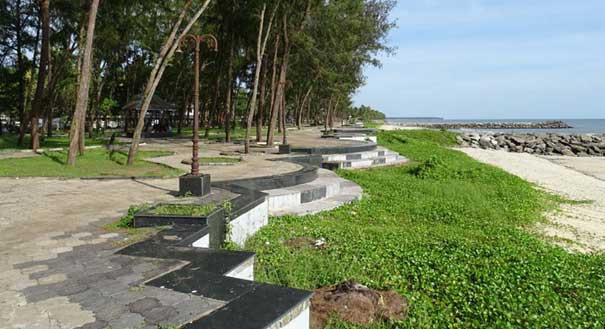 The Pazhassi rajah Museum is a treasure house of ancient exhibits belonging to the rajas of bye-gone days. Adjacent to it is an art gallery displaying paintings of Raja Ravi Varma.
Dolphins Point is a good place to watch dolphins playing in the sea early in the morning. On this beach are also situated TownCenter, Lions Club, and a lighthouse.
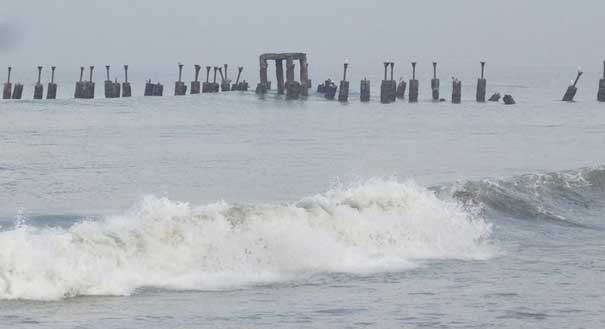
The Kozhikode beach is easily accessible from the city and provides a good view of the setting sun. Two crumbling piers, more than hundred years old, stand out into the sea at the beach. Kozhikode beach also has a marine life aquarium open whole day.
The Science center and Planetarium at Jaffarkhan Colony is the best place to unravel the mysteries of the universe and get enlightened about the planets and stars as seen from the place. This planetarium has an interesting array of games, puzzles, and scientific gadgetry, which can keep a person busy viewing for the whole day.
Mananchira, which was the palace tank of King Mana Vikrama, has been now turned into a traditional architectural splendor with carpeted green grass and surrounded by ethnic buildings. The place also has a musical fountain and is worth visiting in Kozhikode.
For more details-kozhikode.com


